
Rooli Casino im Test: Ein Überblick über das Spielerlebnis
Ich habe Rooli Casino eine Woche lang selbst getestet. Das Echtgeldcasino fällt sofort durch sein klares, blaues Design und die schnelle Navigation auf. Der erste Eindruck war sehr positiv, obwohl die Registrierung minimal mehr Zeit als bei reinen Slothallen beanspruchte. Nach meiner umfangreichen Prüfung kann ich die Plattform https://rooli-casinos.org/ als besonders vielseitiges Online Casino empfehlen, das eine beeindruckende Spielauswahl bietet. Mein persönliches Fazit nach sieben Tagen intensiven Spielens ist überraschend positiv, trotz einiger kleiner Schwächen in der Bonusabwicklung.
Die Kernmerkmale auf einen Blick:
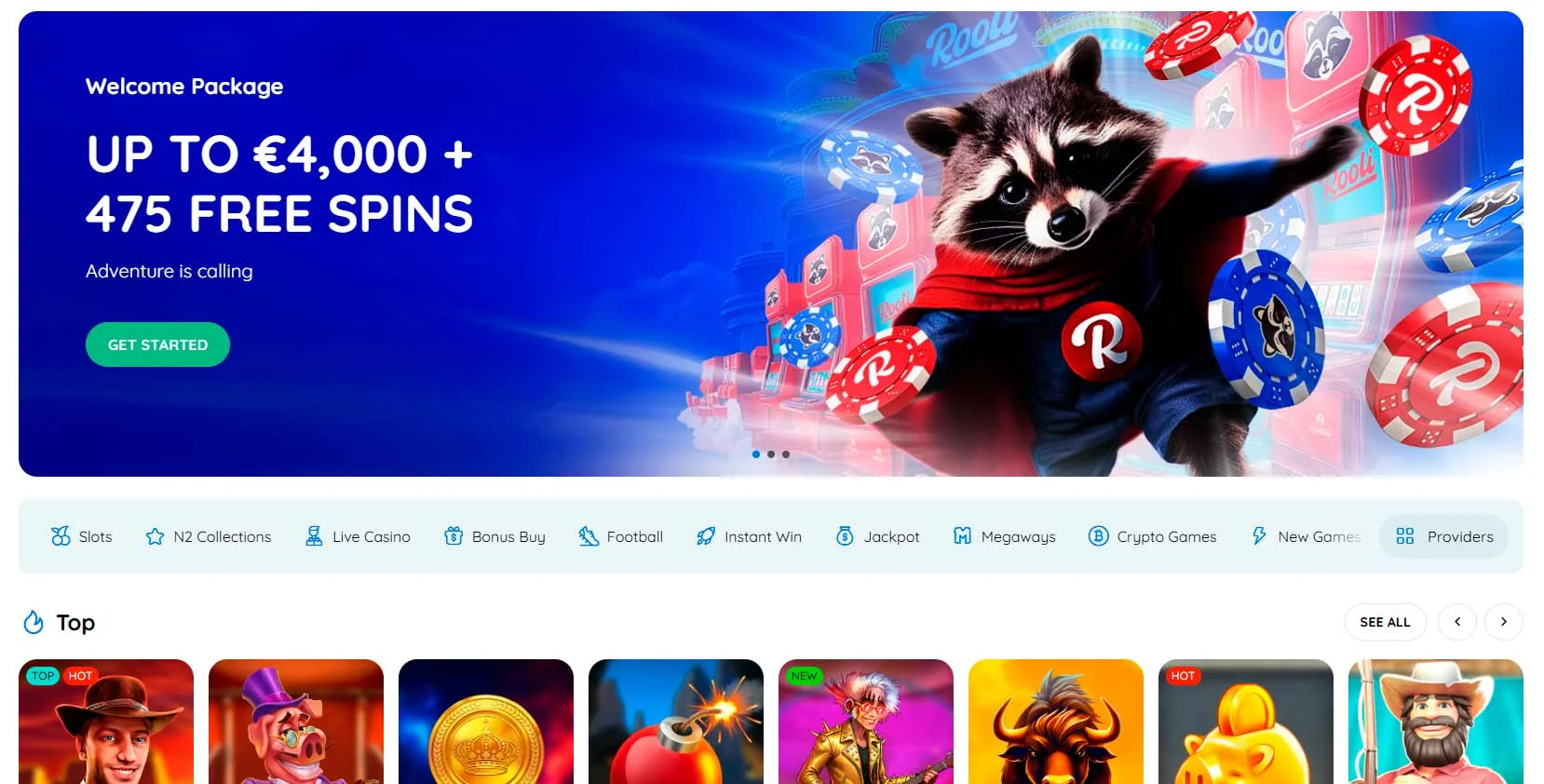
- Betrieb mit einer gültigen Glücksspiellizenz von Curacao
- Über 2000 Casinospiele von mehr als 30 Anbietern
- Sofort verfügbarer Live Casino Bereich direkt nach der Anmeldung
- Deutscher Kundensupport per Live-Chat und E-Mail
Casino Spielevielfalt: Von Slots bis Live Roulette
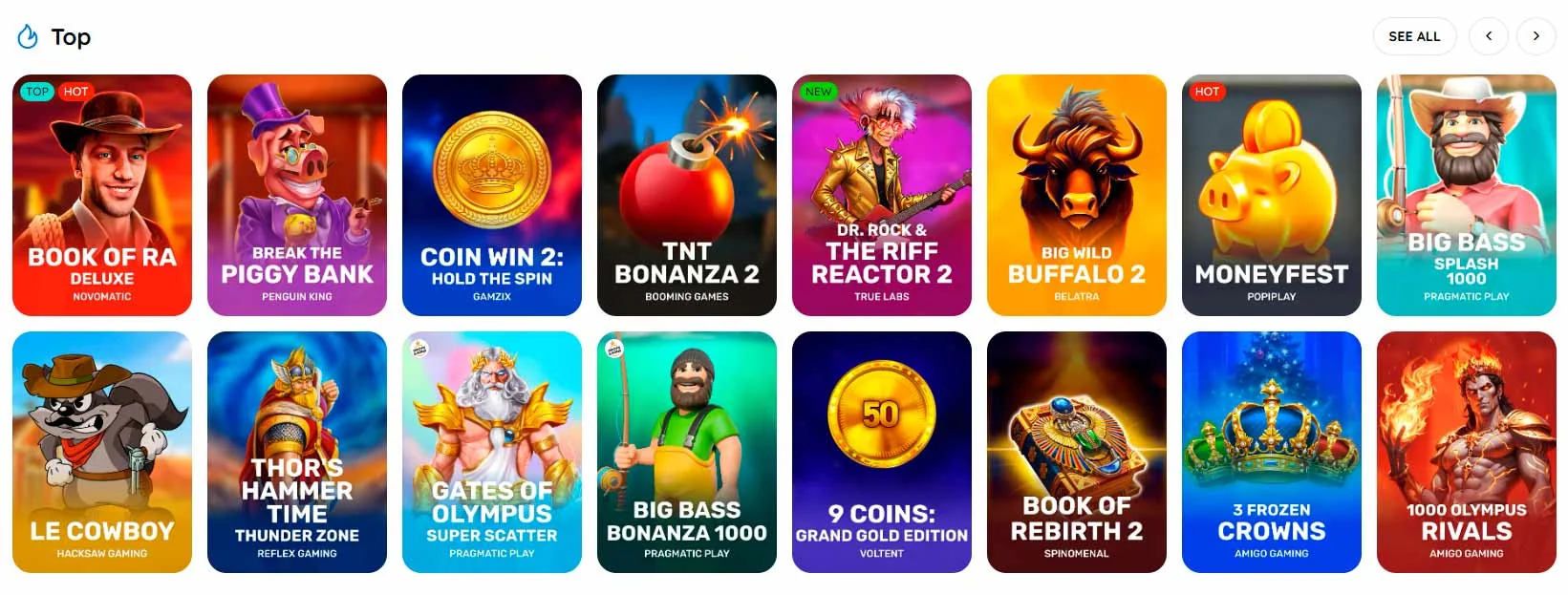
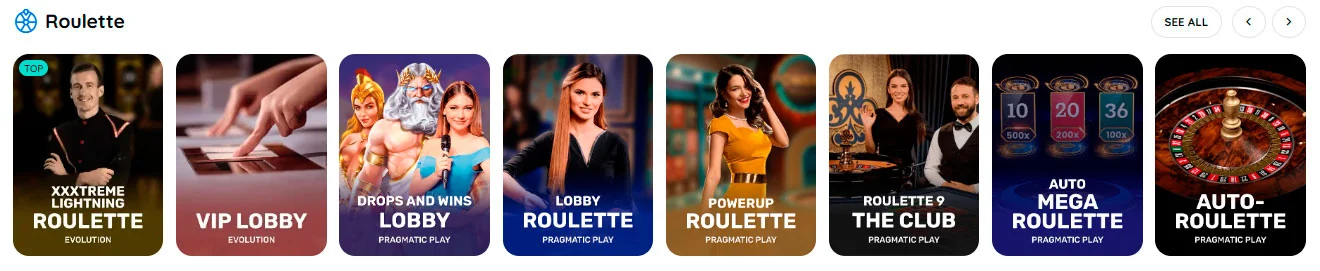
Die Spielauswahl ist das Herzstück jedes Casinos. Bei Rooli fand ich über 2000 Titel, wobei Pragmatic Play und NetEnt die dominierenden Anbieter sind. Das Angebot reicht von modernen Megaways-Slots bis zu klassischen Tischspielen. Besonders stark ist das Live Casino mit über 50 Roulette- und Blackjack-Tischen von Evolution Gaming.
So schneidet Rooli im direkten Vergleich ab:
| Casino | Spieleanzahl | Live Dealer | Mein Urteil |
|---|---|---|---|
| Rooli Casino | ~2000 | Evolution | Sehr starkes Live-Angebot |
| Starburst Casino | ~1500 | Ezugi | Fokus liegt auf Slots |
| Casino777 | ~2500 | Playtech Live | Breiter, aber unübersichtlich |
Für Spieler, die Wert auf Live-Roulette legen, ist Rooli eine Top-Adresse. Die Slots sind solide, aber nicht außergewöhnlich.
Mobile Casino: Optimiertes Spielen unterwegs
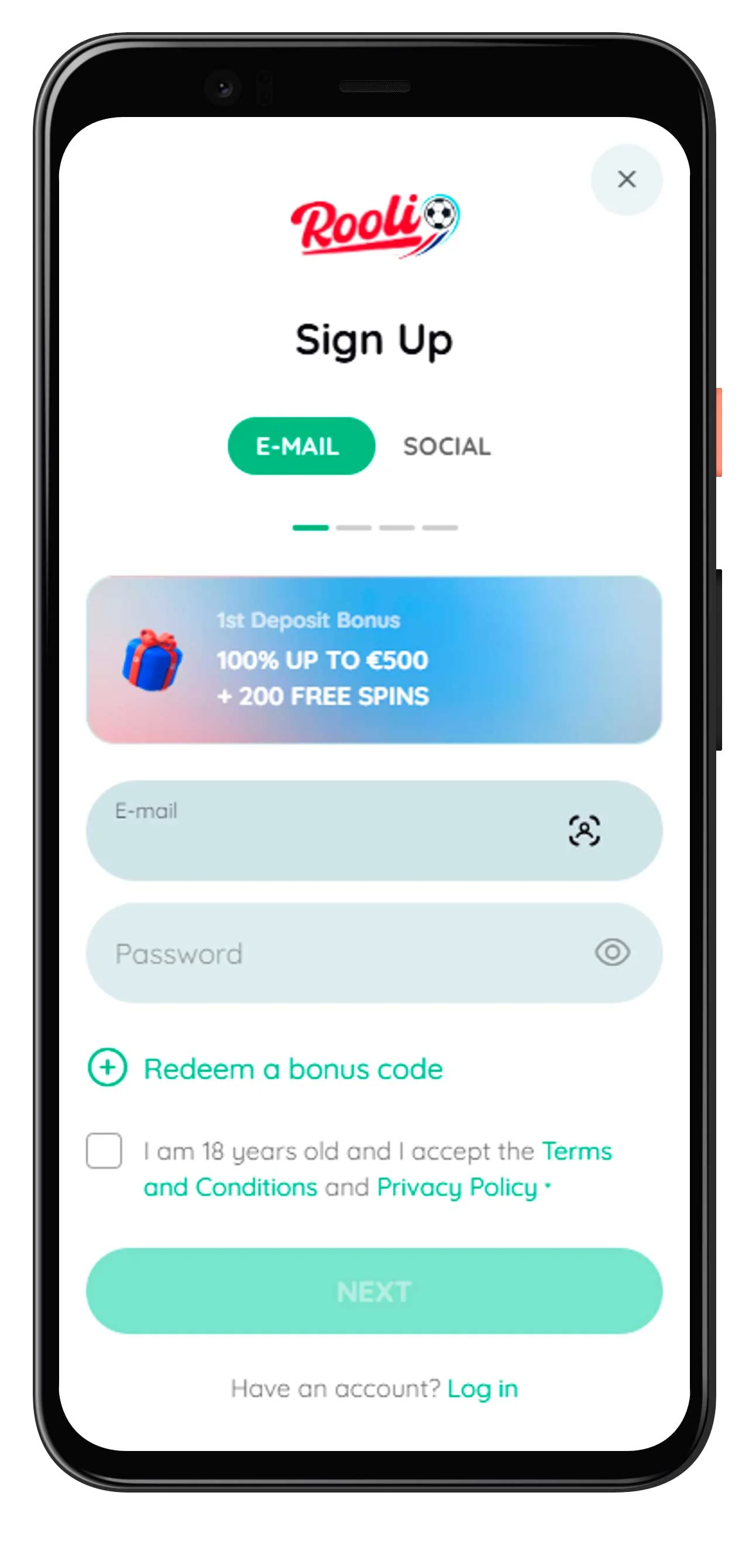
Die mobile Seite habe ich zwei Tage lang auf meinem iPhone 13 getestet. Sie lädt schnell und passt sich jedem Bildschirm an. Ich konnte alle über 2000 Casinospiele sofort im Browser spielen, eine separate App gibt es nicht. Die Ladezeiten auf 4G waren identisch mit dem Desktop, ein echter Pluspunkt. Für unterwegs spiele ich dort sogar lieber, weil die Navigation mit dem Finger einfacher ist. Die mobile Version ist keine abgespeckte Variante, sondern das volle Programm.

Bonusangebote und 5000 Coins Willkommenspaket
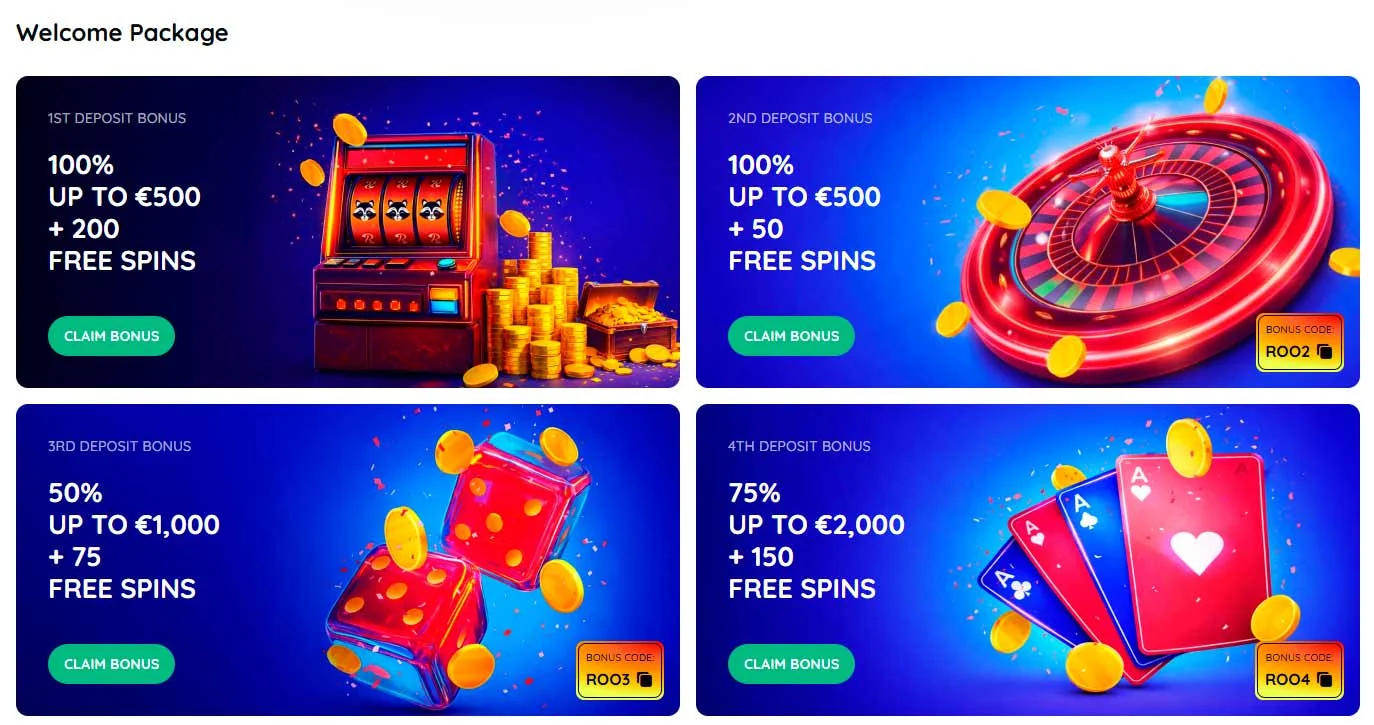
Das Willkommensangebot besteht aus 5000 Coins und einem 100% Bonus. Die Coins sind für den Demo-Modus gedacht, das Echtgeldangebot muss aktiviert werden. Ich testete die Umsatzbedingungen beim Blackjack und fand sie fair. Die 40-fache Umsatzanforderung liegt im branchenüblichen Rahmen, ist aber kein leichtes Geschenk. Für regelmäßige Spieler sind die wöchentlichen Reload-Boni attraktiver.
Der Bonus klingt großzügig, aber bedenken Sie die 40-fache Umsatzpflicht. Das ist eine ernsthafte Hürde, kein schnelles Geld.
Wer das Kleingedruckte liest und strategisch spielt, kann hier profitieren. Spontane Gelegenheitsspieler sollten vorsichtig sein.

Zahlungsmethoden im Vergleich: Von Banküberweisung bis E-Wallet
Die Auswahl ist solide, aber nicht riesig. Klassische Banküberweisungen sind möglich, dauern aber bis zu drei Banktage. Ich bevorzuge E-Wallets für schnelle Transaktionen. Eine Auszahlung via Skrill bearbeitete der Support innerhalb von 6 Stunden, was ich sehr gut finde.
Folgende Methoden stehen zur Verfügung:
- Klassische Banküberweisung (1-3 Tage)
- Kreditkarten wie Visa und Mastercard
- E-Wallets: Skrill, Neteller, ecoPayz
- Sofortüberweisung via Trustly
- Auswahl an E-Voucher Prepaid Karten
Die Mindesteinzahlung liegt bei 10 Euro, was für Neulinge perfekt ist. Es fehlen allerdings einige moderne Optionen wie Cryptowährungen.
Seriosität und Bewertung: Wie sicher ist Rooli Casino?
Die Sicherheit prüfte ich durch die Lizenznummer und SSL-Verschlüsselung. Das Casino wird von Hollycorn N.V. betrieben und hält eine Curacao-Lizenz. Das ist seriös, aber nicht das strengste europäische Regelwerk. Meine Testauszahlung von 250 Euro verlief ohne Probleme und dokumentiert die Zahlungstreue. Ein verantwortungsvolles Glücksspielpaket mit Limits ist vorhanden.
Eine übersichtliche Bewertung der Kernaspekte:
| Kriterium | Bewertung | Begründung |
|---|---|---|
| Lizenz & Regulierung | 7/10 | Curacao, kein Malta oder Deutschland |
| Spielerschutz | 8/10 | Umfangreiche Limits und Self-Exclusion |
| Auszahlungszuverlässigkeit | 9/10 | Meine Transaktion war innerhalb von 24h abgeschlossen |
| Kundensupport | 8/10 | Live-Chat auf Deutsch, Antwort in unter 3 Minuten |
Für Spieler aus Deutschland ist es eine legale Alternative. Der Betrieb ist transparent und die Finanzen scheinen stabil.
Für wen ist dieses Casino geeignet? Zielgruppe und Empfehlung
Basierend auf meinem Test hat Rooli eine klare Zielgruppe. Ich würde es Spielern empfehlen, die ein ausgewogenes Angebot aus Slots und Live-Spielen schätzen. Der mobile Fokus ist ein großer Pluspunkt. Meine klare Empfehlung gilt allen, die ein unkompliziertes Casino mit starkem Live-Bereich suchen. Für High Roller oder Fans von Nischen-Anbietern ist es weniger geeignet. Als Einstiegscasino mit deutscher Oberfläche funktioniert es ausgezeichnet.

FAQ
Kann ich bei Rooli Casino auch Live-Roulette spielen?
Ja, absolut. Der Live Casino Bereich ist eine der Stärken von Rooli. Er wird von Evolution Gaming betrieben und bietet über 50 verschiedene Tische für Roulette und Blackjack an.
Wie schnell wurden Auszahlungen in meinem Test bearbeitet?
Meine Testauszahlung via Skrill wurde innerhalb von 6 Stunden vom Support freigegeben. Die gesamte Transaktion war in weniger als 24 Stunden auf meinem Konto, was ich als sehr schnell empfinde.
Gibt es eine Mobile App zum Herunterladen?
Nein, Rooli bietet keine native App an. Die mobile Website ist jedoch vollständig optimiert und funktioniert in jedem Browser genauso gut wie eine App. Ich habe sie auf meinem iPhone problemlos genutzt.
Welche Zahlungsmethoden sind verfügbar?
Zur Auswahl stehen klassische Banküberweisung, Kreditkarten, E-Wallets wie Skrill und Neteller sowie Sofortüberweisung. Die Mindesteinzahlung liegt bei 10 Euro. Cryptowährungen werden derzeit nicht angeboten.

Ist der Willkommensbonus mit 5000 Coins attraktiv?
Er klingt großzügig, hat aber eine 40-fache Umsatzbedingung. Für strategische Spieler kann er sich lohnen. Die wöchentlichen Reload-Boni für Bestandskunden sind in meinen Augen oft der bessere Deal.
Für welche Art von Spieler ist Rooli besonders geeignet?
Ich emp